
A shopping mall's electricity cost is something many people wonder about, given that the air conditioning runs cold all day, the lights are bright on every floor and the escalators never stop. For mall managers, electricity is one of the largest operating costs and one of the hardest to control, because the building must be ready for customers every hour it is open, yet the number of customers differs from hour to hour. This article explains where a mall's electricity cost comes from, which parts tend to run beyond actual use, and how visitor-count data helps engineering teams spot energy-saving opportunities precisely.
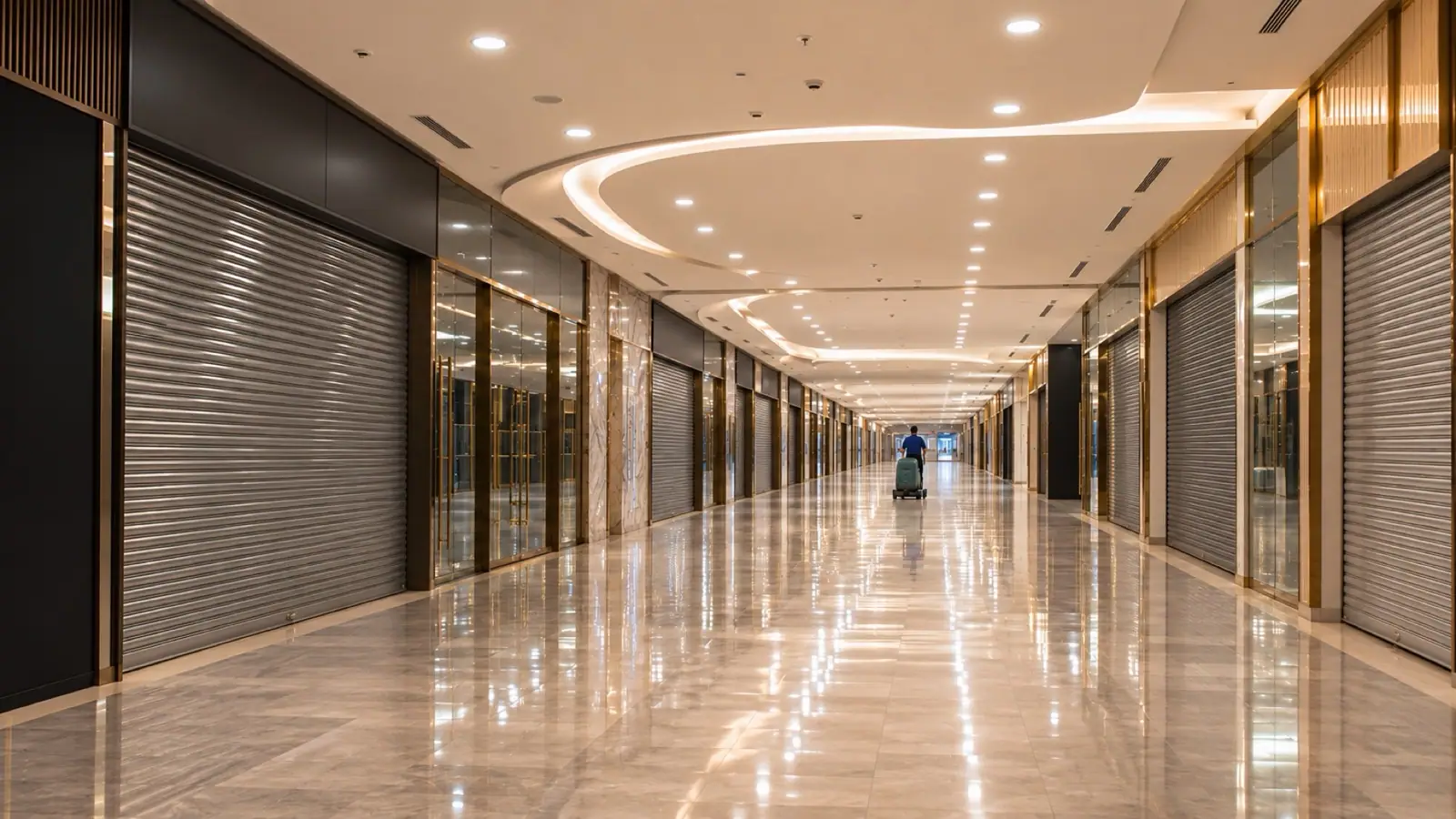
What Makes Up a Shopping Mall's Electricity Bill?
A large building such as a shopping mall is billed under the electricity tariff for large businesses, which is different from a residential tariff. In general the bill has these main parts:
| Bill component | What it is | How visitor-count data relates |
|---|---|---|
| Energy charge | Billed by the units used. The price per unit may vary by time of day under the chosen tariff | Helps find periods when a lot of power is used but few people are present |
| Demand charge | Billed on the highest power the building draws in the billing cycle | Helps sequence equipment start-up so that peaks do not coincide unnecessarily |
| Fuel adjustment charge (Ft) | A charge adjusted for fuel costs and reviewed periodically | Cannot be controlled, but makes every unit saved worth more when Ft is high |
| Service charge and value-added tax | Fixed charges and tax | — |
In practice, the engineering team should look at both "units used" and "peak demand" together, because some measures cut units without helping the peak, and some help the peak without cutting units much.
What Does a Mall's Electricity Go To?
- Air conditioning, including chillers, pumps, cooling towers and air handling units. This is often the largest share of a shopping mall's power use in a tropical climate.
- Lighting, in common areas, car parks, signage and decorative lights.
- In-building transport: escalators, moving walkways and elevators.
- Ventilation: fans that bring outside air in and draw air out.
- Tenant spaces, especially supermarkets, restaurants and cinemas, some of which are on the tenants' own meters.
Most of these systems run on a preset "schedule", not on "how many people are actually there". This is where visitor data can help.
6 Places Where Visitor Data Helps Cut Energy Used Beyond Actual Need
1. Before the mall opens and after it closes
Air conditioning is often started ahead of time so the building is cool by opening, and stopped after closing. Minute-by-minute visitor counts around opening and closing show whether the set times are longer than they need to be. For example: when do the first customers really come in, and which areas still have people after closing because they are food zones or cinemas that close later?
2. Zones that are quiet at certain times of day
Many malls have floors or wings with few people on weekday mornings but heavy crowds in the evening and on holidays. Once you know the number of people per zone per hour, the engineering team can use that data to adjust air handling unit schedules, temperature set points and decorative lighting for each zone to match use.
3. Outside air brought into the building
A building must bring in outside air for indoor air quality, and this takes energy to cool hot, humid air. If the air volume is set for the busiest period all day long, the building uses more energy than it needs when few people are present. Adjusting to actual occupancy (demand-controlled ventilation) is an approach used in building engineering, and it has to be designed so that air quality still meets the standard the building follows.
4. Sequencing chillers by forecast load
A mall's cooling load changes with both the weather and the number of people. If you know in advance which days will be busy, such as long weekends or big events, the engineering team can plan chiller sequencing and pre-cooling better. This data comes from a visitor forecasting system.
5. Peak power demand
A peak often happens when several systems start at once, such as at opening when every system starts up, or in the afternoon when the hottest weather overlaps with a crowded period. Seeing electricity data next to visitor counts helps separate which peaks come from real use and which come from schedules that could be shifted.
6. Escalators, moving walkways and lighting in secondary areas
Escalators, and lights in zones with few people at certain times, such as upper car-park floors at night, are places where visitor data can inform decisions on energy-saving modes or on/off schedules. Customer safety and experience must always come first.
A New Metric: Energy per Visitor
The commonly used metric is energy per floor area (units of electricity per square meter), which is good for comparing with other buildings but does not say whether energy use follows actual use. With data from a people-counting system, a mall can look at another metric.
Energy per visitor = electricity units used in a period ÷ number of visitors in the same period
Example of how to read it (a hypothetical scenario): if far fewer people visit the mall on a Tuesday than on a Saturday but electricity use is about the same, Tuesday's energy per visitor will be much higher. That signal says the building's systems are still running the same way every day and are not adjusting to use. The engineering team can then start to look at where to adjust weekday schedules.
Use this metric to compare a mall against its own history, or to compare the same type of day. Do not use it to compare malls that differ in size and tenant type.
How to Get Started
- Collect electricity data by system, from sub-meters and the building control system. At minimum, separate air conditioning, lighting and in-building transport.
- Collect visitor counts by zone, hourly, from every entrance and the main internal points. For where to place sensors, see the article What Is Footfall? How Shopping Malls Use Visitor Numbers
- Put the two sets of data on one timeline and find periods when electricity is high but visitors are few.
- Choose measures one at a time. Start with the easy ones, such as on/off schedules, and measure the result before expanding.
- Confirm the savings by comparing before and after, adjusting for differences in weather and visitor numbers so that you do not draw the wrong conclusion.
For the basics of energy management systems, read the article What Is a Building EMS? If your mall falls within Thailand's designated buildings for energy conservation, see the legal duties in the article What Is a Designated Building and What Must You Do?
What Not to Trade Away
Cutting energy in a mall must not reduce the comfort and safety of customers, tenants and staff. A room that is too hot makes customers stay a shorter time and affects tenants' sales. Visitor data should therefore be used to "cut what is used beyond actual need", not to cut service during the times when customers are really there.
IMAS Building Energy Management and People-Counting Systems
IMAS is a team that has both people data and energy data for shopping malls.
- 3D people-counting system counts entries and exits by direction in real time. It tracks time spent in an area and where people are densest, and is designed to count without identifying individuals.
- Visitor forecasting system forecasts visitor numbers up to 8 weeks ahead from visitor data, sales, seasonality and weather.
- AI building energy management system, together with Saturn Pyro on the IoTWatt 4.0 platform, connects to existing meters and building control systems. It alerts on abnormal use and peak demand, turns findings into corrective tasks and tracks them to completion, and shows executives the savings that were achieved, are in progress and were missed.
The system helps point to where to look first. Decisions on adjusting building systems remain with building engineers, who know the limits of the equipment and tenants best. For an overview for malls, see the page solutions for shopping malls.
Frequently asked questions
−What does most of a shopping mall's electricity cost come from?
Generally it comes mainly from air conditioning, followed by lighting, in-building transport and ventilation. The actual proportions differ by size, building age and tenant type. Check each mall's own sub-meters.
+Why does a mall use about the same electricity all day whether it is busy or quiet?
Because most systems run on a preset schedule and do not adjust to the number of people actually there. Visitor data helps you see where adjustment is possible.
+To cut building electricity with visitor data, do I need to replace the air conditioning?
Not always. Many measures start with adjusting schedules and settings on existing systems. Replacing equipment is a further step that should be decided from actual energy-use data.
+What is energy per visitor?
It is the units of electricity used divided by the number of visitors in the same period. It shows whether energy use adjusts to how the building is being used.
+How much can be saved?
It depends on the condition of the building, the existing systems and the measures chosen, so start by collecting data and assessing your own building. The most reliable figure is the result measured in your own building.
Want to see how closely your mall's electricity follows real visitor numbers?
The IMAS team can survey meters, building control systems and counting points, then put the two sets of data together so your engineering team can use them in practice. Details and costs are given in the quotation.
Request an assessment of your building · See AI building energy management
References
- Metropolitan Electricity Authority and Provincial Electricity Authority. Large-business electricity tariffs and the fuel adjustment charge (Ft)
- Saturn Pyro Sdn Bhd. IoTWatt 4.0 Digital Energy Audit as a Service. saturnpyro.com website
- Retail Insight AS. Visitor forecasting service information. retailinsight.no website