IMAS Analytics.AI
HomeSolutionsPeople counting & visitor analyticsXPERIO dashboardVisitor forecastingAI building energy managementIndustriesShopping mallsRetail chainsAirports & transport hubsOffice & commercial buildingsTry itProjectsInsightsAbout usPartnersContact us

AI Building Energy Management: Continuous Monitoring, Verified Savings

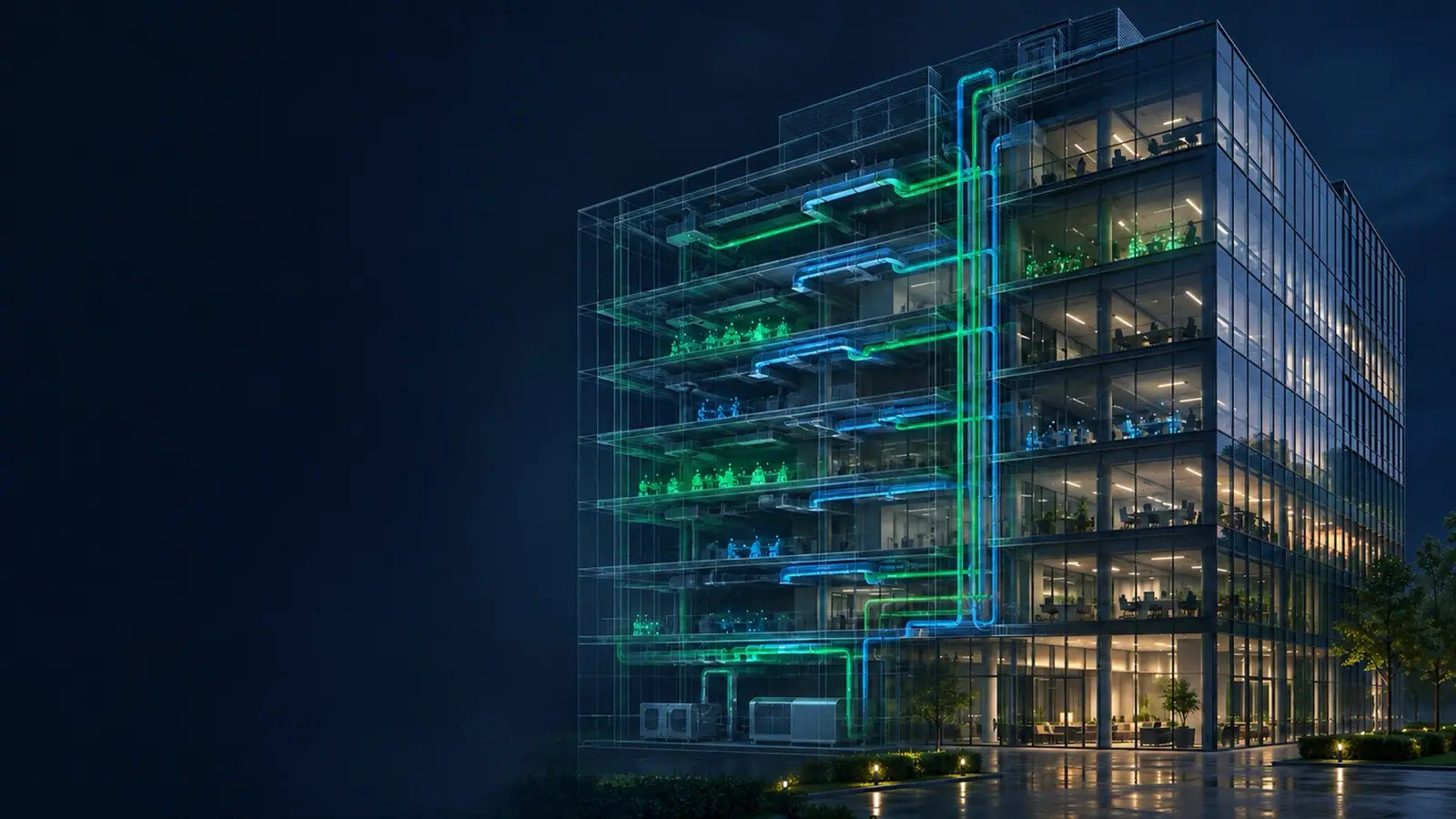
Electricity is one of the largest cost lines for malls, office buildings and airports. IMAS, together with Saturn Pyro, brings the IoTWatt 4.0 platform to Thailand as a Digital Energy Audit as a Service: a digital energy audit that runs continuously, not a report produced once a year and filed away. The system shows where energy is being lost, who needs to fix it, and whether the fix actually saved energy.

SENSEUNDERSTANDPREDICTACT

UNDERSTAND · PREDICT

Building energy use as data
Data from existing building control systems

More than an energy chart viewer

Typical energy chart viewer Annual energy audit report IoTWatt 4.0
Shows how much power you use ✓ ✓ ✓
Shows where you can save – ✓ (as of audit date) ✓ (continuously)
Assigns work and tracks fixes – – ✓
Verifies that savings are real – – ✓

How it works in 6 steps

  1. Connect to electricity meters, the Building Management System (BMS), SCADA control and data-acquisition systems, and the IoT devices you already have.
  2. Monitor energy use, peak electricity demand and equipment load.
  3. Analyze to find where energy use exceeds what is needed and where savings are possible.
  4. Assign findings as corrective tasks, each with an owner.
  5. Track progress, task closure and evidence.
  6. Report audit results and management-ready data.
Core capabilities

Audit-style findings from real data

AI and machine learning analyze actual energy-use trends and summarize them into findings and priorities, so building engineers can decide faster.

Alerts when power use is abnormal

Detects abnormal energy use, high-demand periods and equipment operation that deviates from normal.

Equipment-level analysis

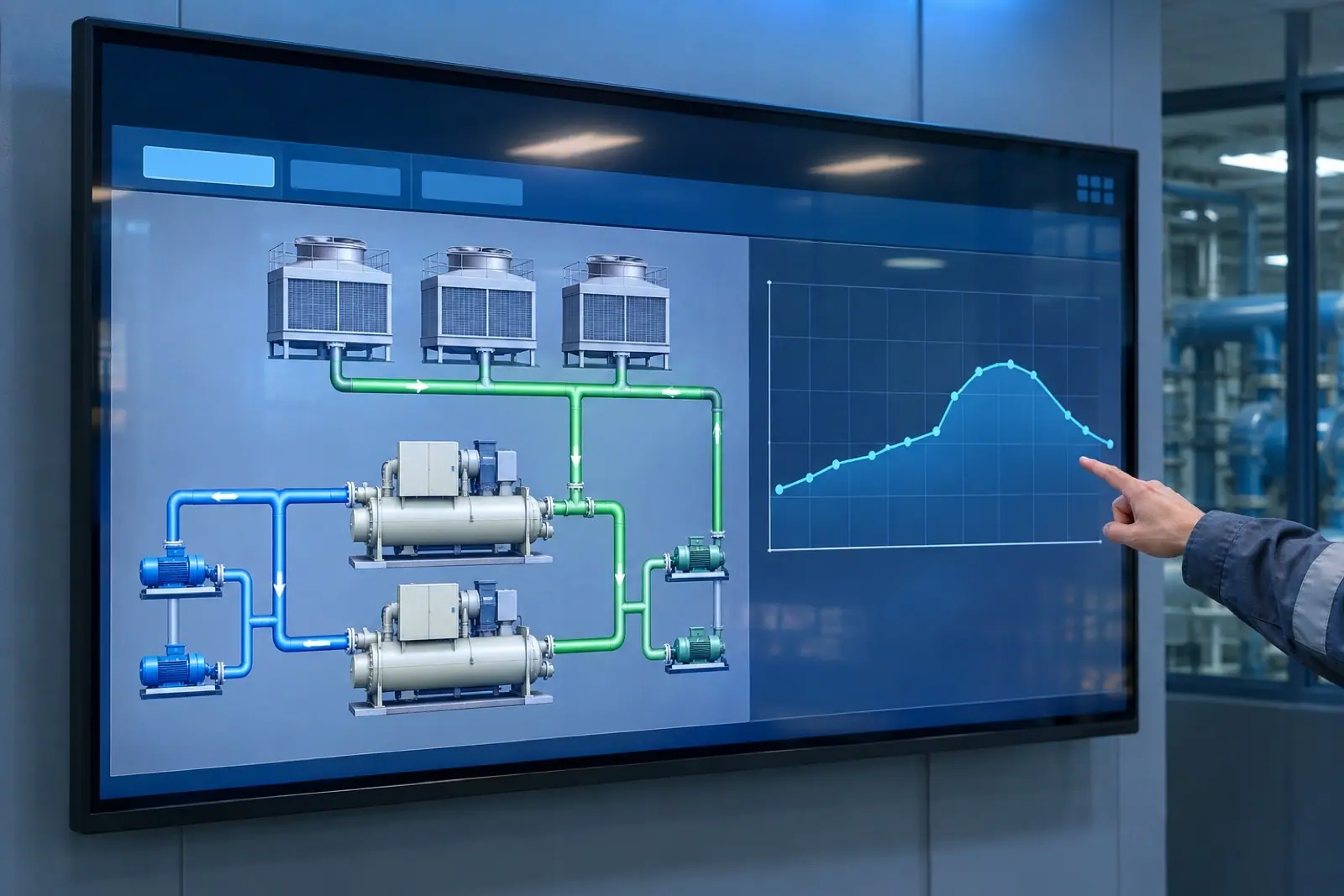
View energy from the building level down through systems, equipment and departments, and across multiple buildings. Coverage includes chillers, air compressors, transformers, water pumps, motors and air-conditioning systems.

Transparent savings records

Savings are split into three groups: potential, achieved and missed. Management can see clearly which projects are delivering.

Built on your existing building infrastructure

Connects to the meters and systems already in place and adds devices only where needed, as identified by an engineer after a site survey.

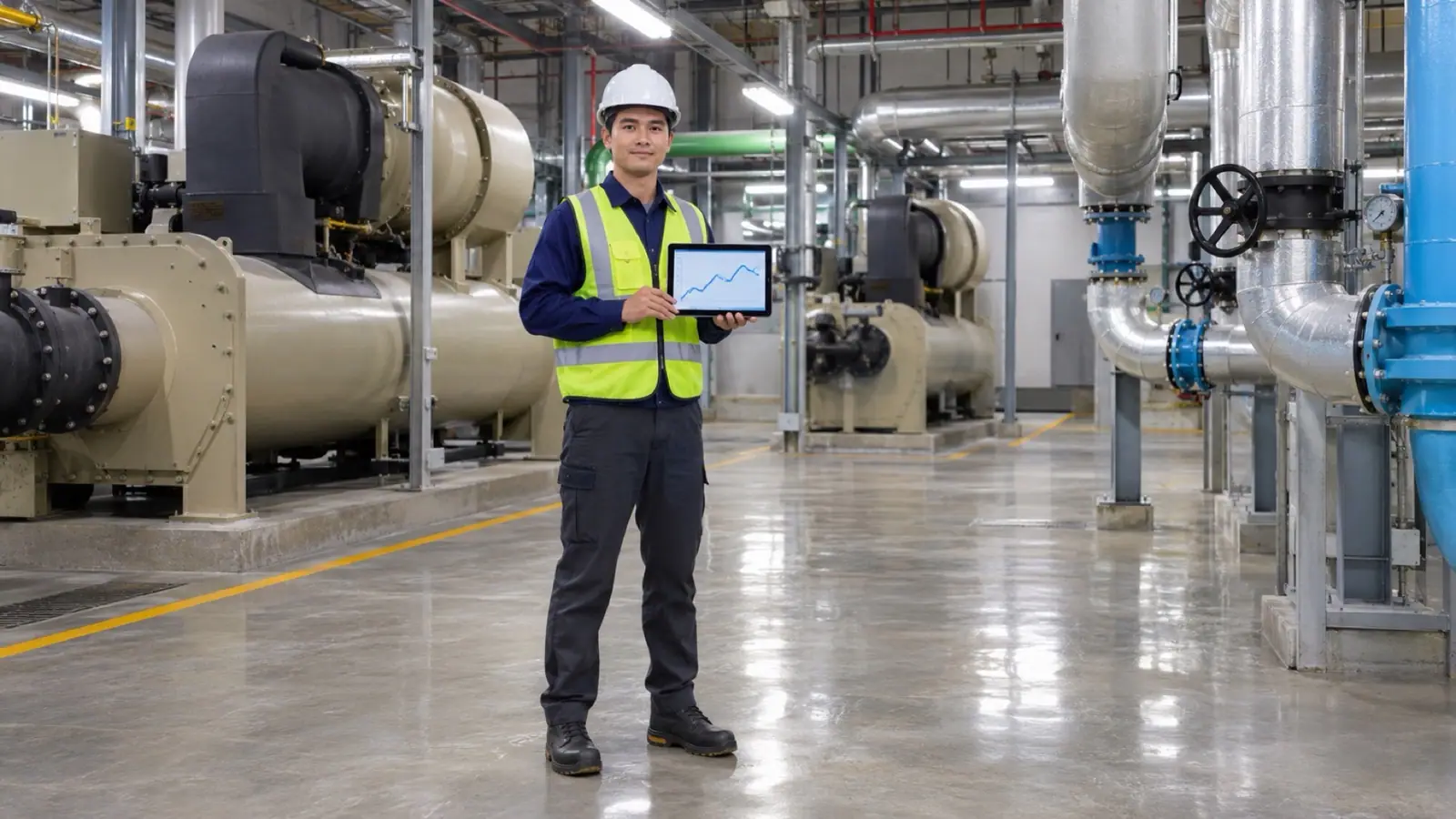
Building engineer checking chiller energy use

People-counting data + energy = energy use that follows actual occupancy

IMAS offers both people-counting and energy management, so the two can be combined into indicators such as energy used per visitor. This helps malls and buildings see whether energy use tracks the number of people actually in the building

Energy-designated buildings

Buildings that qualify as designated buildings under Thailand's Energy Conservation Promotion Act are required to manage energy and file reports as the law specifies. IoTWatt 4.0 systematically records energy-use data, trends, findings, corrective tasks and savings, so the building's energy team has data ready to support its documentation. An Energy Management System is also the foundation of the ISO 50001 energy management standard, for organizations planning to seek certification.

Which buildings is it suited to?

  • Department stores and shopping centers
  • Office buildings and commercial buildings
  • Airports and transport terminals
  • Hospitals, data centers, universities and factories

Service model and costs depend on building size and the number of measurement points, and are set out in the quotation.

Frequently asked questions

−How is this different from a building management system (BMS)?

A BMS switches and adjusts equipment. IoTWatt 4.0 pulls data from the BMS and meters to analyze it, find savings opportunities, and track whether fixes worked. The two systems complement each other.

+Do we need to replace existing meters or equipment?

The system is designed to use your existing infrastructure. Engineers survey the site and state in the quotation which points need additional measurement devices.

+How does it help with reporting for energy-designated buildings?

The system keeps energy-use data, findings, corrective tasks and savings in one place, and the energy team can use it to support report preparation. For the report formats required under Thai law, our team will explain them during the presentation.

+How do we know the savings are real?

The system records savings as potential, achieved and missed, with evidence for each task. Management can audit the record afterwards.

+Will AI direct work in place of building engineers?

No. AI helps find what deserves attention and ranks priorities. Engineers and the building team remain the ones who decide and carry out the fixes.

Start by seeing where your building uses energy